
← All guides · ⬇ Printable 2-PDF Master Bundle ($19)
Safe Water for Baby Formula: Lead, PFAS & Certified Filters (2026)
Water ends up in every bottle of formula, every sippy cup and every pot of pasta, so it's worth five minutes to get right. Most US tap water is safe for babies, and boiling or buying 'baby water' isn't always needed. Lead from old pipes, nitrate in well water and PFAS are the real things to check. Below is what the CDC, AAP and EPA actually say, how to read filter certifications, and the test kits and certified filters worth buying. Brand claims are labeled 'per the brand'; always confirm the exact model in the certifier's listing.
0–12m1–2 yrs2–3 yrs3–4 yrs4–6 yrs
What to Avoid
- Filters certified only to NSF/ANSI 42 (taste and odor) when your concern is lead or PFAS
- 'Removes 99% of contaminants' marketing with no certifier or standard named
- Hot tap water for drinking, cooking or formula (it carries more lead)
- Boiling water to 'fix' lead or nitrate (it doesn't remove lead and concentrates nitrate)
- Microwaving bottles or formula water (uneven hot spots)
- Filter cartridges past their replacement date
Testing & Certifications to Look For
NSF/ANSI 53 with 'lead' listed (lead reduction)NSF/ANSI 53 or 58 with 'PFOA/PFOS' listed (PFAS reduction)NSF/ANSI 58 (reverse osmosis: lead, PFAS, and fluoride or nitrate when listed)NSF/ANSI 401 (emerging contaminants and microplastics)Certified by NSF, WQA or IAPMO: check the exact model in the certifier's online listingWater tests analyzed by a certified (state-accredited) lab
What the CDC & AAP Say About Water for Formula
- Most US tap water is fine for mixing formula, filtered or not. If you're unsure about your water, ask your local health department or water utility. Source: CDC: How to Prepare and Store Powdered Infant Formula →
- For babies younger than 2 months, born before 37 weeks or with a weakened immune system, the CDC suggests extra care with powdered formula: bring water to a rolling boil, let it cool about 5 minutes, mix while the water is still at least 158°F (70°C), cool the bottle, then test a few drops on your wrist. Ready-to-feed liquid formula is sterile and skips this step. Never warm bottles in the microwave.
- Use prepared formula within 2 hours (1 hour once feeding starts), or refrigerate it right away and use within 24 hours. Background on why powder needs this care: FDA: Cronobacter →
- Fluoride: fluoridated tap water is safe for formula. If you want to lower the chance of faint white marks on teeth (mild fluorosis), the ADA suggests using low-fluoride bottled water labeled purified, deionized, demineralized, distilled or reverse osmosis some or all of the time. Ask your pediatrician what fits your family. The AAP's fluoride guidance: HealthyChildren.org: Fluoride →
Lead: The Biggest Tap-Water Concern for Babies
- There is no known safe level of lead for children, and EPA's health goal for lead in water is zero. Lead usually comes from service lines, solder and older fixtures in the home, not from the treatment plant.
- Use only cold tap water for drinking, cooking and formula. Hot water picks up more lead. If water has sat in the pipes for 6 hours or more, run the cold tap for 15–30 seconds (or until it feels colder) first. Boiling does not remove lead. Source: AAP on HealthyChildren.org: Lead in Tap Water →
- If you know or suspect lead, use bottled water or a filter certified to NSF/ANSI 53 for lead reduction (look for the word 'lead' in the claims, not just a standard number). Many utilities offer free or low-cost lead testing; call yours, or ask whether your home has a lead service line.
- The current federal 'action level' for utilities is 15 ppb. EPA's 2024 lead rule lowers it to 10 ppb starting in November 2027, but that rule is being challenged in court, so check EPA for updates: EPA: Lead and Copper Rule Improvements →
PFAS ('Forever Chemicals') in Drinking Water: Where the Rules Stand
- In 2024 EPA set the first national limits for PFAS in drinking water, including 4.0 parts per trillion each for PFOA and PFOS, with utilities due to comply by 2029. In May 2026 EPA proposed extending that deadline to 2031 and rescinding the limits for PFHxS, PFNA, GenX and the PFAS mixture limit. As of November 2026, those proposals are not final. Source: EPA: Proposed PFOA and PFOS Compliance Extension →
- Your utility's yearly Consumer Confidence Report (water quality report) lists what it found. If PFAS shows up, or you'd rather not wait, look for a filter certified for PFOA/PFOS reduction under NSF/ANSI 53 or 58. Search your utility's report at EPA: Find Your Water Quality Report →
Our Picks
As an Amazon Associate I earn from qualifying purchases. Some links go to brand affiliate programs, which may also pay us a commission at no extra cost to you.
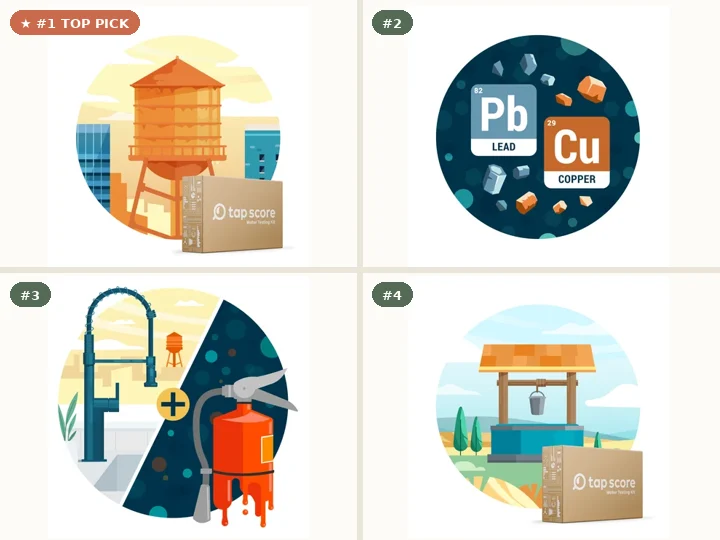
Certified-Lab Home Water Test Kit
Guessing what's in your tap water (or buying a filter for the wrong problem)
A mail-in kit tells you what is actually in the water at your tap, so you only filter for what you need.
Tap Score kits: mail-in samples analyzed at a certified lab (per the brand). Essential City: 25 heavy metals, nitrate, fluoride and more; Lead & Copper: targeted lead test; Advanced City + PFAS adds 18 PFAS compounds; Essential Well: baseline panel for private wells
Why we picked it: A lab report shows whether lead, nitrate, fluoride or PFAS are present at your tap, which tells you whether you need a pitcher, an under-sink filter or nothing at all. Well families need testing because no utility does it for them.
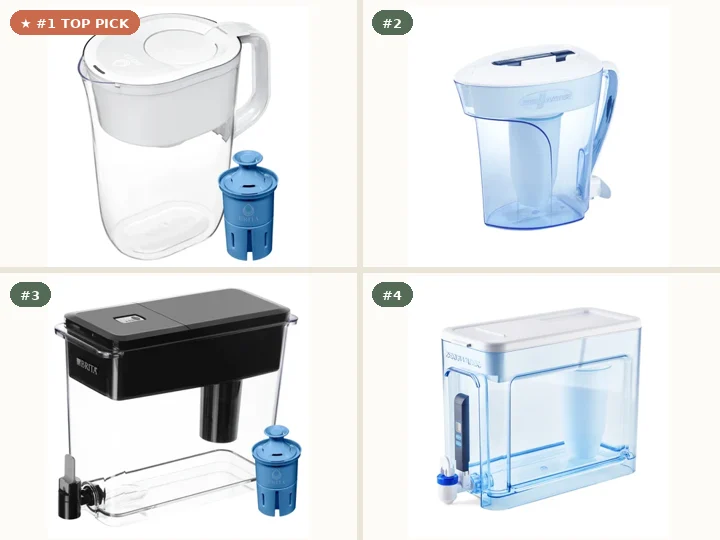
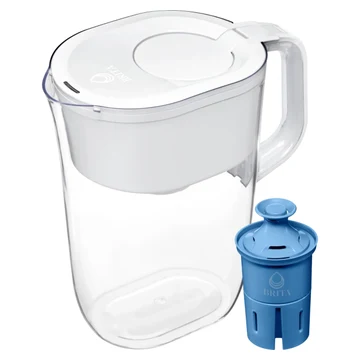
Filter Pitcher or Dispenser Certified to Reduce Lead
Basic pitchers only certified for chlorine taste and odor (NSF/ANSI 42)
No install, works for renters, and a dispenser keeps a big batch of cold filtered water ready for bottles and sippy cups.
Brita Elite filter: removes 99% of lead, NSF/ANSI certified (per the brand); ZeroWater: IAPMO-certified to reduce lead, PFOA/PFOS, chromium and mercury (per the brand). Check the filter model on the box, not just the pitcher
Why we picked it: Both brands state certification for lead reduction, not just taste, which is the claim the CDC and AAP point to when tap water has lead. Pitchers only work if you change the filter on schedule, so set a reminder.
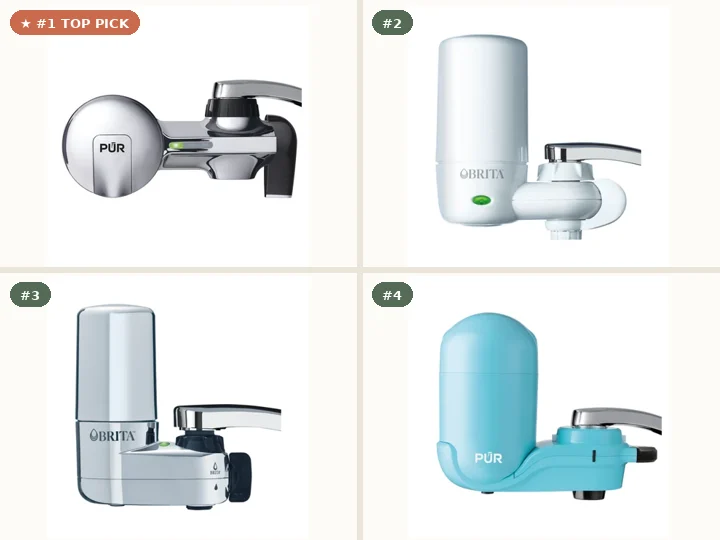
Faucet-Mount Filter Certified to Reduce Lead
Running unfiltered water from older pipes straight into bottles
Twists onto most standard faucets in minutes with no tools, and a flip lever switches between filtered and regular water.
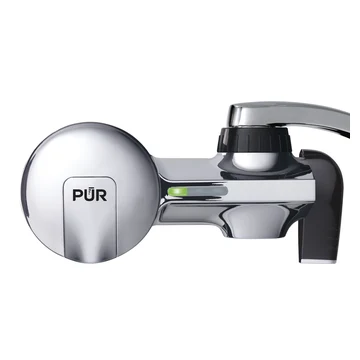
PUR: NSF and WQA certified to reduce 70 contaminants, including lead and mercury (per the brand); Brita Elite faucet systems: remove 99% of lead, NSF/ANSI and WQA certified (per the brand). Cold water only; won't fit pull-out or sprayer faucets
Why we picked it: Filtered water on demand from the tap you already use, with lead-reduction certification stated by both brands. Run cold water only through it, which matches AAP advice to use cold tap water for drinking and formula.
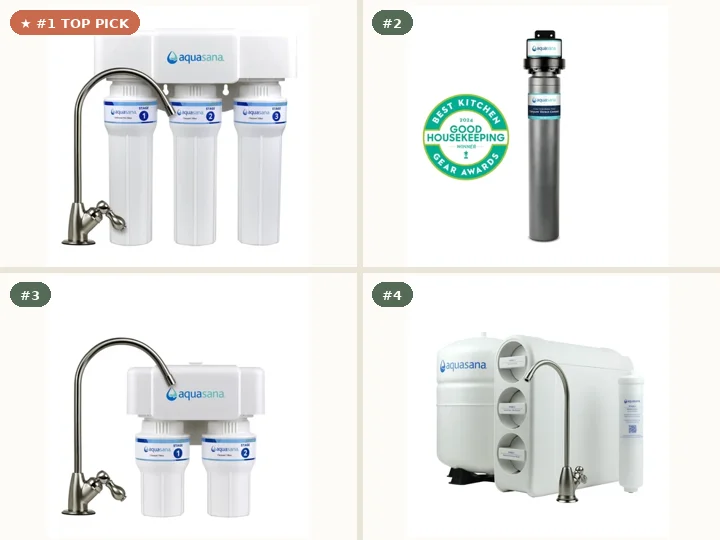
Aquasana Under-Sink Filters Certified for Lead & PFOA/PFOS
Changing pitcher filters every few weeks
Filtered water from a dedicated faucet (or your existing one with Direct Connect) for drinking, cooking and every bottle.
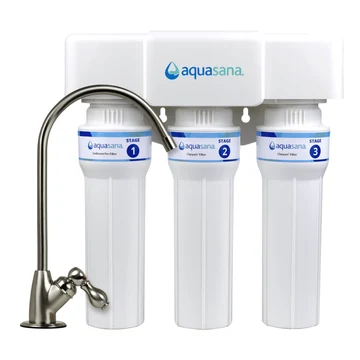
Claryum 3-Stage Max Flow: WQA certified to NSF/ANSI 42, 53 (incl. PFOA/PFOS) and 401; Claryum Direct Connect: IAPMO certified to NSF/ANSI 42, 53 and 401, uses your existing faucet; Claryum 2-Stage: NSF/ANSI 42, 53 and 401; SmartFlow RO: WQA certified to NSF/ANSI 42, 53, 58 and 401, reduces fluoride, with a remineralizer (all per Aquasana)
Why we picked it: Aquasana lists the certifying body and the exact standards for each system, including NSF/ANSI 53 for lead and PFOA/PFOS and 401 for emerging contaminants. The SmartFlow RO adds NSF/ANSI 58 for families who also want lower fluoride.
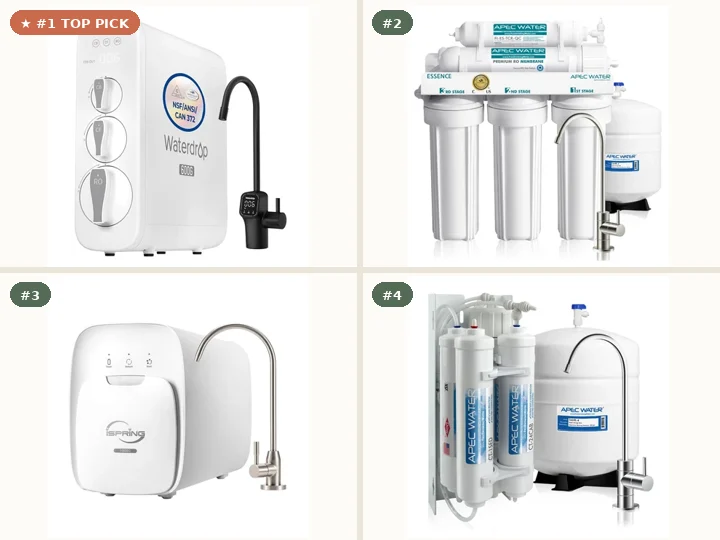
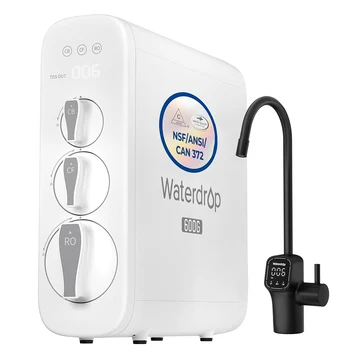
Under-Sink Reverse Osmosis System
Buying jugs of distilled or 'nursery' water every week
Reverse osmosis is the filter type the ADA names for low-fluoride formula water, and it covers the widest list of contaminants.
Look for NSF/ANSI 58 certification on the exact model in the NSF, WQA or IAPMO listing. RO wastes some water, needs under-sink space, and strips minerals (some models add them back)
Why we picked it: Reverse osmosis can reduce lead, PFAS, nitrate, arsenic and fluoride in one system, and NSF/ANSI 58 is the standard that tests those claims. It is the filtered alternative to buying low-fluoride bottled water for formula.
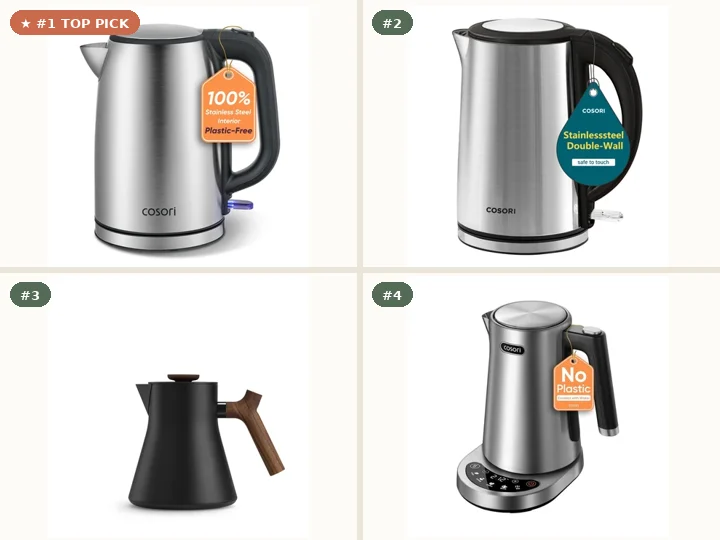
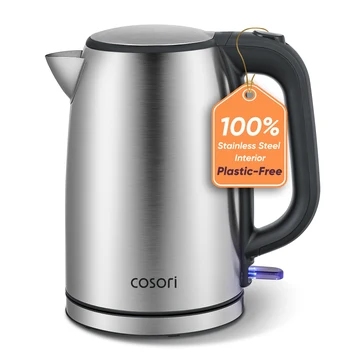
Stainless Steel Electric Kettle for Formula Water
Microwaving water for bottles, or plastic-lined kettles
Boils fast with auto shut-off, and a temperature-control model can hold water at 158°F (70°C) for mixing powder.
Stainless steel interior; check that the lid and spout area are plastic-free if that matters to you. Temperature-control models make the 158°F step easy
Why we picked it: The CDC advises extra care for babies under 2 months, born early or with weak immune systems: boil, cool about 5 minutes, and mix powder while the water is still at least 158°F. A kettle makes that routine easier than a pot.
Filter Certifications Decoded: NSF/ANSI 42, 53, 58 & 401
- NSF/ANSI 42: aesthetic effects only (chlorine taste and odor, particles). On its own, it does not mean the filter reduces lead or PFAS.
- NSF/ANSI 53: health effects. This is the standard for lead, VOCs, cysts and PFOA/PFOS claims, but each contaminant is certified separately, so check the exact list. Overview: NSF: Standards 42, 53 and 401 →
- NSF/ANSI 58: reverse osmosis systems. Covers claims such as lead, PFAS, total dissolved solids, and (when listed) fluoride, nitrate and arsenic.
- NSF/ANSI 401: up to 15 'emerging' contaminants such as some medications, BPA and pesticides, plus microplastics.
- Certifiers include NSF, WQA (Water Quality Association) and IAPMO. Before you buy, search the exact model number in the certifier's listing and match the contaminant you care about. NSF's listing and FAQ: NSF: Water Filter FAQs →
- A certified filter only keeps working if you change the cartridge on time. An old filter can stop reducing lead well before it slows down.
Private Well Families: Test, Don't Guess
- Private wells aren't tested by anyone but you. The AAP recommends testing for bacteria (coliforms) and nitrate every year, and testing for lead when a well is new or a baby joins the family: AAP: Testing of Well Water →
- Don't use well water with more than 10 mg/L nitrate to make formula, and don't boil it to fix nitrate: boiling concentrates it. EPA suggests testing between April and July and after flooding. Source: EPA: Private Wells and Infants →
- Your state or county health department can usually point you to a certified lab, sometimes at low cost.
FAQs
Is tap water safe for baby formula?
In most of the US, yes. The CDC says tap water, filtered or not, is usually fine for formula. Use cold water, run the tap first if it has sat for hours, and call your health department or utility if you are unsure. For babies under 2 months, preterm babies or babies with a weakened immune system, the CDC suggests boiling the water and mixing powder while the water is at least 158°F (70°C).
Do I need to boil water for formula?
Not for every baby. The CDC's extra-precaution steps (boil, cool about 5 minutes, mix at 158°F or hotter, then cool) are for babies under 2 months, born before 37 weeks or with a weakened immune system. Boiling kills germs but does not remove lead, and it concentrates nitrate.
Should I worry about fluoride in formula water?
Fluoridated tap water is safe for formula. Using it every day can cause faint white marks on teeth (mild fluorosis). If that concerns you, the ADA suggests using low-fluoride bottled water labeled purified, distilled, deionized, demineralized or reverse osmosis some or all of the time. Talk to your pediatrician.
What filter certification removes lead?
Look for NSF/ANSI 53 (or 58 for reverse osmosis) with lead specifically listed as a certified claim, from NSF, WQA or IAPMO. NSF/ANSI 42 alone only covers taste and odor.
Do water filters remove PFAS?
Some do. Look for a filter certified to reduce PFOA and PFOS under NSF/ANSI 53 or 58. Reverse osmosis and certified carbon block filters are the usual options. Check the exact model in the certifier's listing.
Is bottled 'nursery water' better?
It's an option, not a requirement. Nursery water is usually purified or distilled and may have added fluoride, so read the label. Many families use it while waiting for test results or when tap water is known to have lead.
Get the free Low-Tox & Screen-Free Starter Kit
8 printable pages for parents of little ones: 10 easy lower-tox swaps, screen-free bingo, a week planner and a one-page “where to start” checklist. The download appears right here, and we’ll email you our free Nursery & Playroom Checklist plus 3 short emails over the next week, then one short email a week.